73. Yellow’s Not That Bad
- Instructors
- Tom Turner
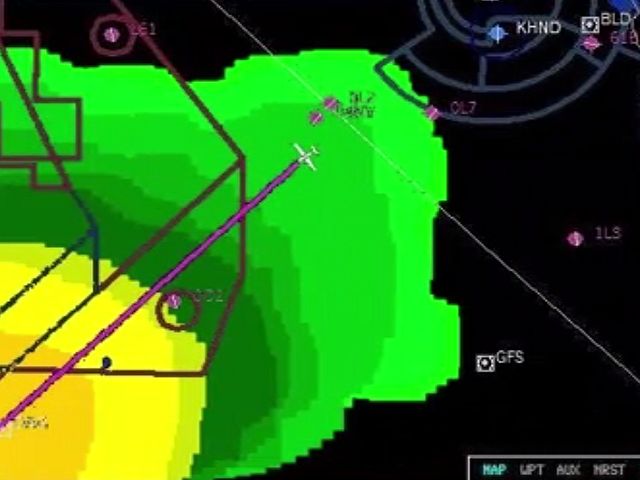
Heading home from a weekend in Vegas, you and two friends face a wall of yellow-colored radar returns on your cockpit display. Is continuing on a good bet or a dangerous gamble?
It’s a dark and chilly autumn night with your family in the back as you approach the seaside airport your plane calls home. You’re faced with a dilemma: Accept a few minutes flying low and over the water on approach, or divert only for fear of something so unlikely, it’s hardly ever considered.
After a challenging series of practice approaches, you return to your home airport to find that winds and traffic seem completely different than ADS-B weather led you to expect. In fact, it seems aircraft are popping up out of nowhere, busting VFR minimums, and landing the wrong way. What now?
Your airplane partner is signed off for his instrument checkride, but must wait a week to take the test. On an actual IFR day, he asks if you’ll file IFR and ride right seat while he flys to stay sharp. You’re not an instructor, although you’re quite proficient in this airplane. Will you do it?
It’s a crystal clear night as you descend for Santa Maria, California on an IFR flight plan. You’re feeling secure and ahead of the airplane until ATC throws you a curveball that puts everything into question: They say you’re low, even though your centered on the approach and PAPI. How can this be?
Since getting your instrument rating, you’ve been steadily honing your skills–and lowering your personal minimums. Now you’re faced with an approach that’s below your current personal minimums, but above the minimums you were planning on going to. Will you give yourself a “field promotion”?
It’s a shock to you and your buddy when just passing through a cloud for 30 seconds turns an IFR practice flight into a serious icing emergency. Now what will you do to salvage the situation and get an airplane safely on the ground when you can’t see out the windscreen and can barely hold […]
When the frequency gets busy and ATC can’t talk fast enough, it can seem like you’ve been forgotten—and perhaps you have been. How far will you let this situation deteriorate before you take preemptive action, even though it may be in direct violation of an ATC clearance? The clock is ticking.
Getting your whole family and a week’s worth of gear to the Gulf means flying a loaded Beech Baron near the limit of its fuel range. That’s not a problem … until your landing gear decides to take its own holiday right as you approach the final approach fix. Will this be an annoyance or […]
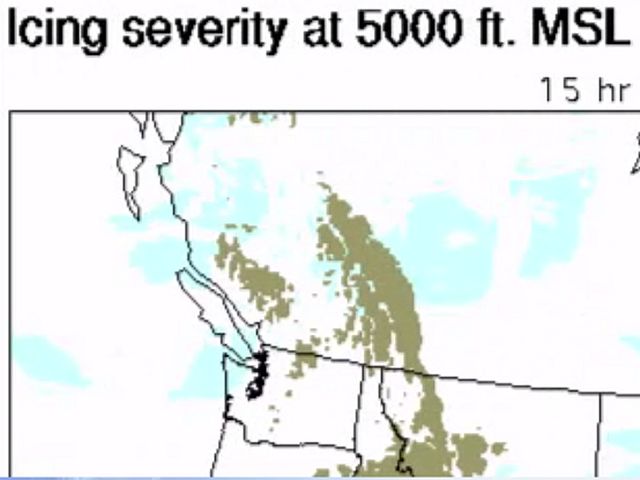
After a wedding weekend in Canada, you’re hopping south across the border to get home to Seattle, Washington. The only catch is that potentially sub-freezing clouds stand between you and your appointment with U.S. Customs and Immigration. Which branch of the government will you risk making angry?
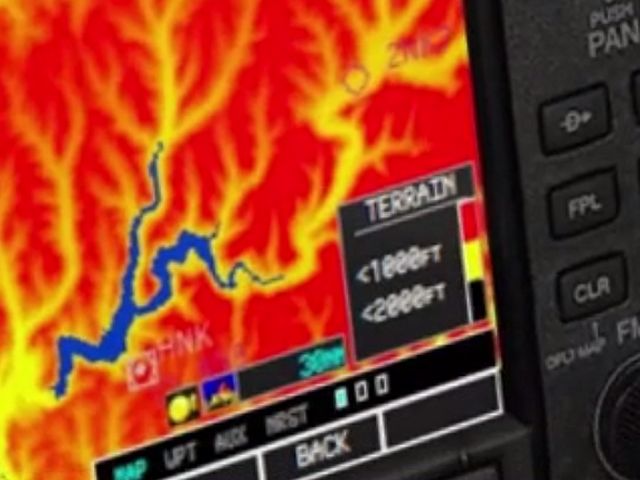
Modern avionics improve safety with both advanced guidance and built-in warnings. What do you do when the guidance says you’re spot-on and safe but the warning says you’d better change plans and fast? This approach to Sidney, NY has you stumped and you have only seconds to figure it out.
We all tell ourselves that if we had an engine failure in IMC, we’d simply head for the nearest airport. However, what seems nearest isn’t always the best choice – or even the airport we’re most likely to make. What would you do with an engine failure in flight levels where strong winds are a […]