Subscriber question:
"I know ATC phone numbers are now published for clearances from non-towered airports, but what is the phraseology when someone answers the phone? And when do I call? In the taxi area or from the end of the runway?” — Dev K.
Not subscribed yet? Sign up here to receive tips like this every week.
John:
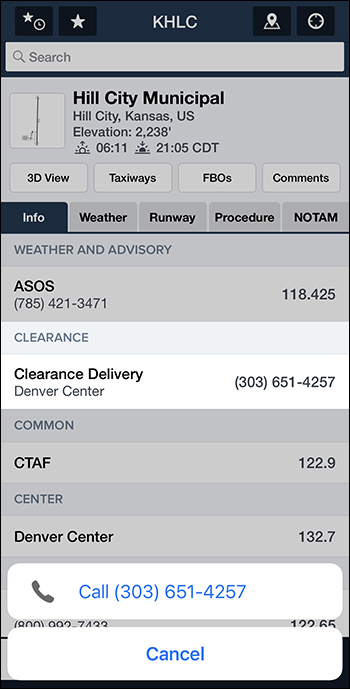 “Instead of clearance relays through Flight Service, phone numbers are being added to airport listings in the Chart Supplement (formerly the Airport/Facilities Directory, or A/FD) for pilots to use to call ATC to receive clearances. Look for a line in the airport listing titled ‘Clearance Delivery phone’ at airports where the service is available. It will also be on the Frequencies > Clearance tab in Foreflight.
Because you are talking directly to the controller at the TRACON or Center, the clearance should be readily available instead of the old ‘twenty questions’ back and forth with Flight Service. When the controller answers the phone, give them your call sign, airport you are departing (they may have many in their airspace), destination, and departure runway.
If it’s an airport I’m familiar with, or a simple clearance, I’ll call from the end of the runway when ready to go. I’ll probably get an immediate release with a void time. If it’s more complicated or I need to brief the departure, I’ll call first from the ramp—maybe even before engine start—to get the route. Then call back to get the release when I’m at the runway ready to go.”
Do you still use Flight Service?
(Please share how and why—or why not—below.)