Subscriber question:
"We landed for lunch at an airport with a little dry snow on the runways. That was uneventful. But when we took off, the snow was more like slush and I was shocked how much runway we used. What should I do differently?" — Aiden B.
Not subscribed yet? Sign up here to receive tips like this every week.
Elaine:
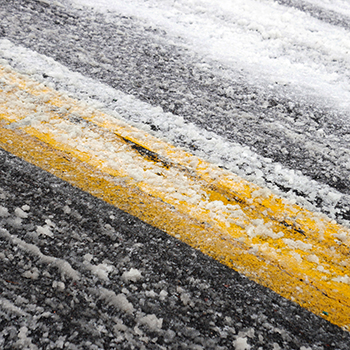 “Slush is wet, heavy, and usually thicker than a layer of snow. Most Pilot Operating Handbooks don’t address how to take off or land in significant snow or ice, much less slush, but there are some tried-and-true tips for a safe departure.
You’ll want to use a soft-field technique, which might include the use of flaps. That will keep the nosewheel out of the slush. Recall that this method also has you rotating a bit slower and earlier than normal, allowing you to lift off into ground effect to build up speed. This helps reduce slush-induced drag during acceleration. If you’re not accelerating enough during the takeoff roll, abort. Then use a different runway or wait for that slush to clear out.
I’d also reduce the usual first half of the runway for aborting to the first third to avoid the need for brakes. While the slush will slow you down, it also reduces traction and increases your risk of a wheel skidding if you apply brakes. If there are doubts about achieving this as you taxi out, taxi back in.
Many pilots remove the aircraft wheel pants for winter. This helps keep snow and slush from building up in the wheel pants and ruining them, along with freezing the brakes.
If you fly with retractable gear be aware that slush, clumps of snow, or ice can damage the gear mechanism and lead to bigger issues on landing. Ensure the gear’s clean before heading out, and avoid taxiing through contaminated areas wherever you can. On climbout, consider leaving the gear down a bit longer and pressing the brakes to let any accumulated moisture dry off. If there’s a larger concern that the slush freezing on the gear can interfere with its movement, either up or back down, leave it down and head for a clean, long runway to get the slush off before flying the rest of the trip with the gear up.”
Do you modify your takeoff technique for snow, slush, or ice on the runway?