
Subscriber question:
"How can I improve my rudder and aileron coordination skills?" — Matthew L.
Not subscribed yet? Sign up here to receive tips like this every week.
Rod:
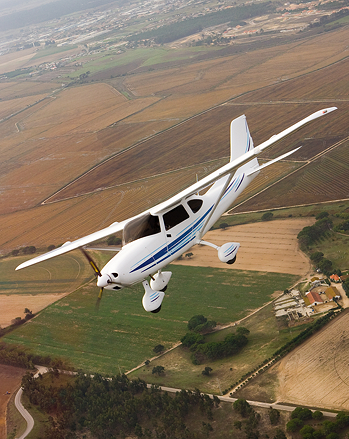 “One of my favorite methods of developing rudder and aileron coordination skills is known as a coordination roll. What I’m talking about here is a maneuver where you point the airplane’s nose at some outside reference and roll right and left with a moderate bank, while keeping the rudder and aileron coordinated.
How do you know your flight controls are coordinated? Well, the airplane’s nose doesn’t move as it rolls alternately between right and left banking conditions. (Without any rudder input, the nose will momentarily move opposite the turn.) Here’s how it’s done.
With the nose pointed to some outside reference while in level flight, roll to the right and add just enough right rudder to keep the nose fixed on the reference point. This is exactly how you enter a coordinated turn to the right, correct? When you reach approximately 30 degrees of bank immediately roll the airplane to the left. This means the moment you apply left aileron to begin the roll, you’ll need to apply just enough left rudder to keep the nose straight as you roll.
Now, what I don’t want you to do is to look at the ball in the inclinometer during this maneuver. Why? Because there’s no telling what the ball is doing. In some airplanes the ball might remain nearly centered. The Cessna 150 is such an airplane. Try this in a Remos LSA, and the ball will be banging up against each side of the inclinometer’s glass tube during a perfectly coordinated coordination roll.
The inclinometer doesn’t necessarily reflect the quality of your turn during the entry, compared to when the turn is established. So don’t look at it during this exercise.
The coordination roll is an excellent training exercise and it’s one I use quite frequently with pilots during flight reviews. If you can keep the nose steady on the reference point during this maneuver, then you’ve definitely got game—rudder and aileron game, that is.”
Have you ever tried this coordination exercise (or something similar)?