Subscriber question:
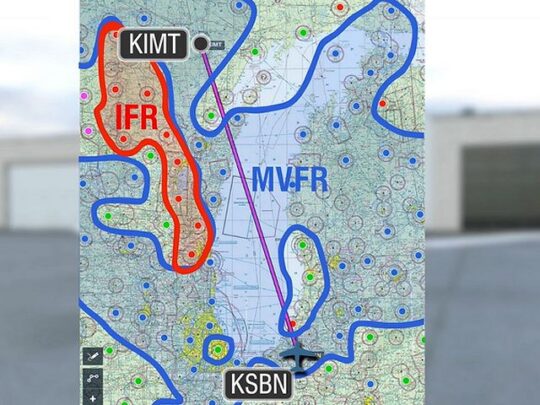
"The other day a PIREP really made the difference for me in launching for a flight. It's motivated me to give them. What kind of conditions should GA pilots report?" — Keith F.
Not subscribed yet? Sign up here to receive tips like this every week.
Bob:
 “Just think about all those occasions when we have encountered unforecast weather. Why not take just a few seconds to share this information with Air Traffic or Flight Service so that everyone benefits?
I’ve mentioned countless times how impressed I am when riding in the cockpit of airliners, how active the pilots are trying to find the smoothest ride for their customers. By requesting and getting ride reports (turbulence), we the passengers benefit greatly.
But even more important than ride reports are cloud tops, bottoms and inflight visibility reports that are seldom given. Very crucial to flight safety are wind shear reports. Why not provide that information to the pilots lined up behind us on final approach?
Wouldn’t it be nice to have braking action information before we touch down on a slick runway? How about unreported enroute icing? It would be really nice to have that information.
We have the opportunity to remove a lot of unknowns in our aviation weather system by participating in this valuable, free resource. That’s what the pros do.”
You don’t have to call Flight Service to give a PIREP…
Watch this short video from the Air Safety Institute and see how easy it can be.
What prevents you from filing PIREPs?
(Note: options have been slightly edited due to early feedback from readers. Thanks for that. — Moderator)