
Subscriber question:
"Sometimes I can't avoid a Military Operations Area. But I've never seen a single military aircraft in one, ever. Do I really need to worry about military aircraft? Who do I contact to find out if there's traffic in the MOA?" — Bruce P.
Not subscribed yet? Sign up here to receive tips like this every week.
Bob:
“Many Military Operations Areas exist in the U.S. where high-speed jets routinely practice high-speed aerobatic maneuvers. Aerial refueling, formation flying, and tactical training are common in these areas.
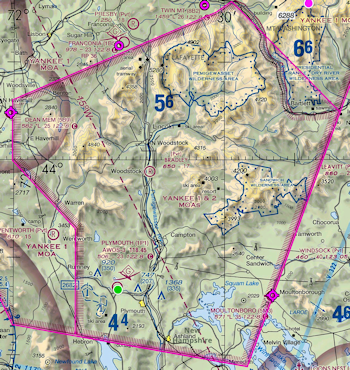 Pilots flying IFR will be kept clear of conflicting traffic by Air Traffic Control. And while VFR Pilots are not prohibited from flying in Military Operations Areas, they certainly should keep an active scan for traffic. The military shares the responsibility to see and avoid, but much of their focus is inside and also on the aircraft that they are working with. You have to place yourself in these military aircraft and acknowledge the fact that they are probably not looking for you as actively as you can be looking for them.
The local Air Traffic sector will be a valuable resource as to their current activity. If you are not talking to these sectors, you are going to lose this information and they can’t help you a bit.
Special use airspace areas are depicted on your aeronautical charts. The areas are identified by type and identifying number or name, their effective altitudes, their operating times, weather conditions during which the area is in operation and the voice call of the controlling agency. This information is located on the back or front panels of the chart.”
Do you make an extra effort to detect traffic in MOAs?