
Subscriber question:
"I recently flew an instrument approach into a non-towered airport at night and realized after breaking out on final that the runway lights weren't on. I was sure I had put them on - not a nice surprise! Any good operating practices for pilot controlled runway lighting an night in IFR?" - Nicolas B.
Not subscribed yet? Sign up here to receive tips like this every week.
Bob:
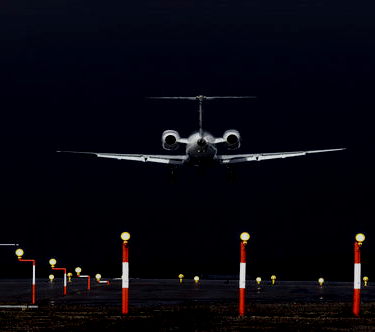 “A night instrument approach to landing isn’t likely if you can’t find the runway after going visual at a non-towered airport or an airport where the tower is closed. A little bit of planning is required to be sure you can see the runway lights and land after going visual on the approach.
The procedure for turning on the runway lights is described in the airport facility directory, as is the frequency. Be aware that the frequency for light activation is not necessarily the same as the CTAF and is, in fact, a different frequency at many airports. This information is also available on instrument approach plates. Be sure to check NOTAMS before flight for any changes or restrictions to light availability.
When approaching an airport with pilot-controlled lighting at night, use the proper procedure to turn the lights on while crossing the final approach fix, and if possible, confirm their activation with ground personnel or another aircraft on the ground. Frequency planning and radio set up is required in many cases since as many as three frequencies may be involved: Approach, CTAF, and lighting activation frequency.”