Subscriber question:
"Our Wisconsin-based club keeps our airplane engine heater plugged in all winter when it's not flying. Someone who just joined says this is a bad idea and we should only preheat before each flight. What's best?" — Scott L.
Not subscribed yet? Sign up here to receive tips like this every week.
Jeff:
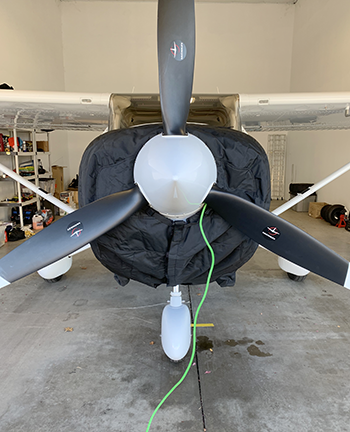 “There’s some debate about whether it’s OK to leave the engine plugged in all the time.
Continental Motors warns against it, citing corrosion issues. The thinking is that warmer air in the engine compartment could hold more moisture, which would condense whenever the engine cools. This could happen if the ambient (outside) air temperature dropped quickly and the heater couldn’t keep up.
Tanis (one of the big players in aircraft engine heaters) says that its preheat systems can be left plugged in all the time, as long as the ambient temperature remains below 100°F. Because all the vulnerable metal parts will stay well above the dewpoint, condensation is impossible. In fact, Tanis advises against cycling the engine compartment warm and cold regularly if you can avoid it because the temperature could transition through the dewpoint in the process.
For what it’s worth, the clubs and groups I’ve been associated with here in Maine are all in the ‘plug it in all the time’ category. None of us have had corrosion issues. Your mileage may vary.
I will say that if you plug it in all the time, it’s best to combine that with a cowl blanket or other method to keep the temperature in the engine compartment higher as a hedge against condensation. If you go with the ‘plug it in before flight’ system, remember it can take a good preheat system two hours to raise the engine temperature 50°F. Preheat isn’t just about warming the oil so it’s easier to start. You must warm the actual metal of the engine to reduce the serious wear-and-tear of a cold start.”
How do you handle preheat during the winter flying season?