
Subscriber question:
"I'm always looking for tips for making smoother landings. Any you could offer would be appreciated." - Shane F.
Not subscribed yet? Sign up here to receive tips like this every week.
Tom:
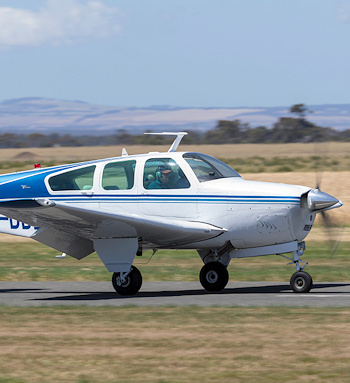 “I was instructing the pilot of a Beechcraft Bonanza. A 250-hour pilot, he had recently purchased the mid-1960s V-Tail, and was returning to flying after many years away. After some time in the practice area, we descended into the airport for a series of full-stop landings that permitted us to debrief during each taxi-back.
After the second landing, which floated well down the runway and then dropped to the pavement, I asked the pilot to critique his performance. He asked, How do I make my landings more accurate and smooth? Here’s what I told him I’ve learned from my experience:
A good landing results from a good approach. Conversely, a bad approach usually results in a bad landing. A good approach is the result of having the airplane on the correct speed, in the proper configuration, and on glidepath from a point within about 500 feet above ground level until flaring just above the runway.
As you cross the runway threshold, adjust your attention toward the far end of the runway. I’ve found it’s difficult for most pilots to judge when to begin the flare if they are looking at the ground too close to the airplane. As you look toward the end of the runway you’ll see the horizon expand until it looks almost as if you’re sitting on the ground. From there, smoothly increase back pressure on the controls to keep the end of the runway looking the same. If it’s growing larger, you’re sinking too rapidly – ease back on the controls some more if you’re on speed or fast, or add power if you’re below your target speed. If the end of the runway is getting smaller you’re too high – reduce power and adjust pitch for the proper airspeed.
Don’t give up when the main wheels touch down. If you do everything exactly right, you’ll stall the wing when the main wheels are just a couple of inches above the runway. The airplane will then chirp down in a smooth landing. Hold back pressure all the way through your landing roll, and don’t stop flying the airplane until you’re ready to shut down.
My student put these tips into practice and, after about three flights, he was making accurate and consistently smooth landings.”
Which landing mistake do you make most often?