
Subscriber question:
"If I intend to fly under Class Bravo airspace (i.e. an outer ring where the floor is 3,000 feet), do I need a Class Bravo clearance?" - Arthur C.
Not subscribed yet? Sign up here to receive tips like this every week.
John:
 “No, a clearance is not needed if you fly under an outer ring of Class Bravo airspace, it is only required if you will enter the Bravo airspace at a charted altitude.
Let’s review Class Bravo airspace and requirements. A Bravo is generally that airspace from the surface to 10,000 feet MSL surrounding the nation’s busiest airports. The configuration of each Bravo is individually tailored and consists of a surface area and two or more layers (some Class Bravos resemble upside-down wedding cakes), and is designed to contain all published instrument procedures once an aircraft enters the airspace. An ATC clearance is required for all aircraft that receive separation services within Class Bravo airspace.
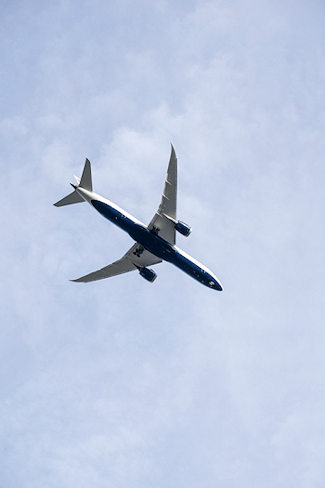
Even though you may be operating below the Bravo, you should use caution against operating too closely to the boundaries, especially where the floor of the Class B airspace is 3,000 feet or less above the surface. Heavy jets may be operating close to the bottom of the outer rings, so it’s a good idea to stay a few hundred feet or more below the bottom boundary when possible.
There is published guidance for operating VFR near busy Class Bravo airspace that can help with planning. Charted VFR Flyways are located in the back of the Terminal Area Charts and provide safe, published routes near many class Bravo terminal areas.”
Note: You can also view VFR Flyway planning charts in ForeFlight. Learn how