Subscriber question:
"What are the most common mistakes pilots make with crosswind landings?" - Kate K.
Not subscribed yet? Sign up here to receive tips like this every week.
Wally:
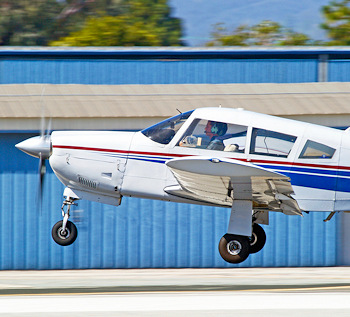 “A common problem I see is poor airspeed control, usually too fast. Sure it’s good to have a little extra airspeed on turbulent days, but too much is as bad as too little. Extra airspeed means you will be hovering over the runway longer waiting for that airspeed to bleed off and that means a longer fight with the wind close to the ground. Often pilots will try to force the airplane on the ground in this situation and that never works. Use the speed your POH recommends.
Another problem is to stop flying after the airplane touches down. Remember to hold that aileron into the wind after touch down and increase it as the airplane slows down. If you neutralize the ailerons after touchdown, the upwind wing will come up and the airplane will start to weather vane providing a whole new adventure for you and your passengers.
So watch the speed and fly the airplane all the way to the tie down.
As I was once told by an old pilot, these crosswind landings are easy once you get the drift of them. The only way to get good at crosswind landings is to get out there and practice. Get an instructor who is proficient and go out and challenge yourself. If you only fly on calm days, you won’t be ready on that day when the wind exceeds the forecast.”
Which part of a crosswind landing do you find most difficult?